પસંદ કરેલી કૃતિ · selected work
ઝઘડો લોચનમનનો
Jhaghado Lochanman No
The Quarrel of Eye and Mind
Dayaram, Garbi Kavi · c. 1820
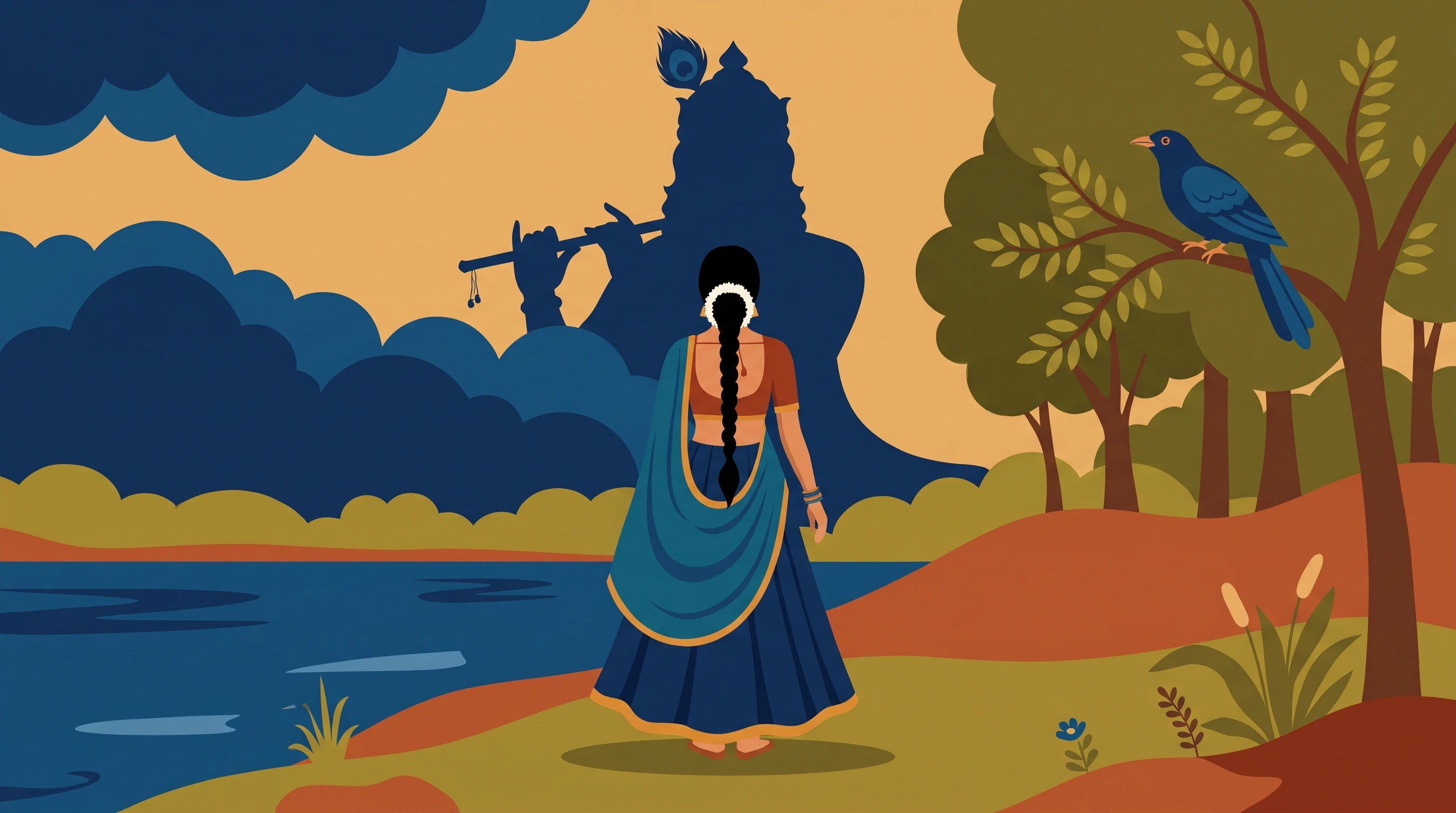
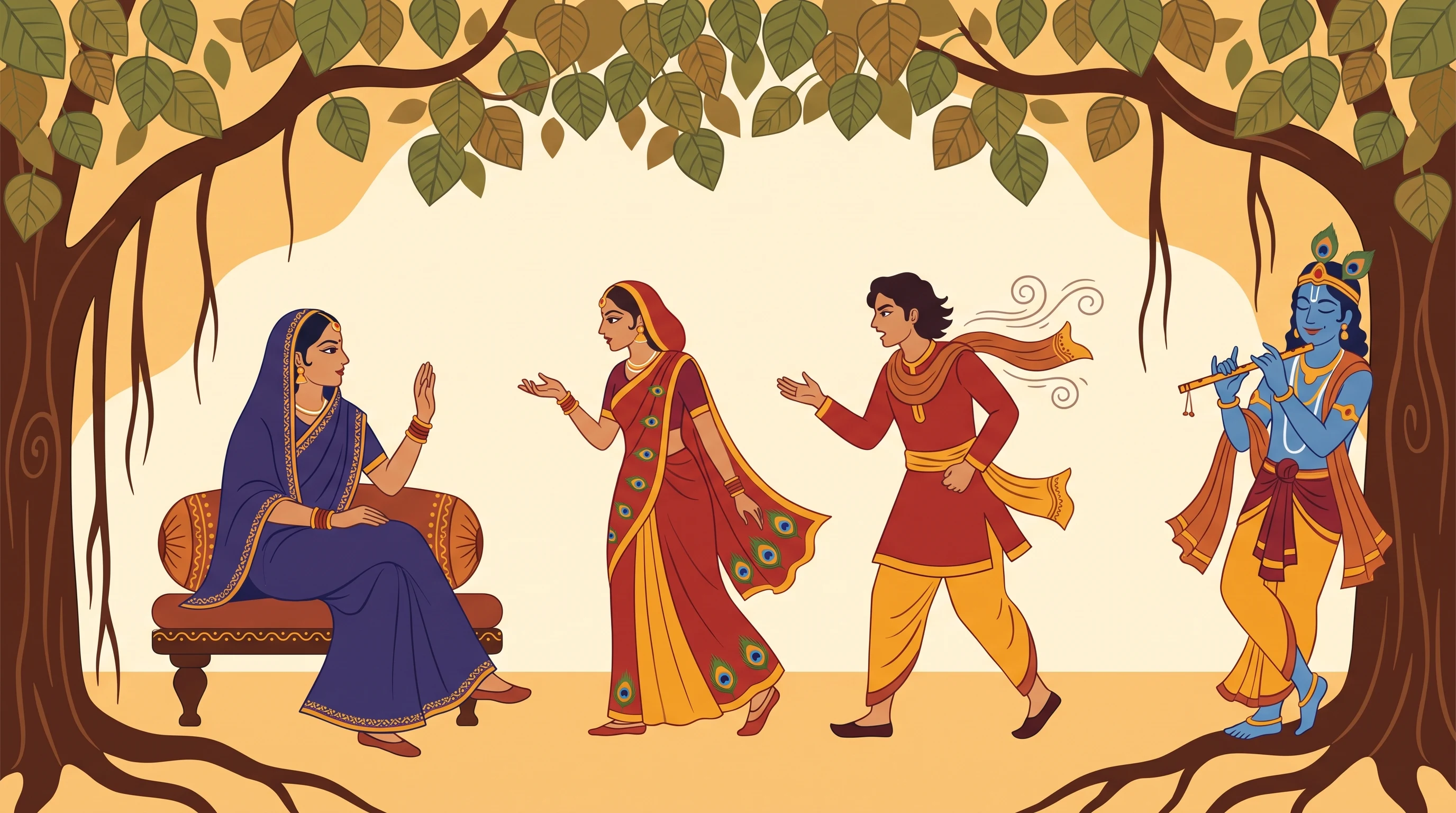
Who started this love affair with Krishna — the eye that looked, or the mind that sent it looking? Dayaram stages the case as a full courtroom drama inside one devotee, with Lady Intellect presiding, and her verdict is the tenderest in Gujarati poetry: you are one creature; love, and suffer, jointly.
લોચનમનનો રે! કે ઝઘડો લોચનમનનો!
રસિયા તે જનનો રે! કે ઝઘડો લોચનમનનો!
પ્રીત પ્રથમ કોણે કરી નંદકુંવરની સાથ?
મન કહે, 'લોચન! તેં કરી,' લોચન કહે, 'તારે હાથ.' ઝઘડો૦
'નટવર નીરખ્યા નેન! તેં, સુખ આવ્યું તુજ ભાગ;
પછી બંધાવ્યું મુજને, લગન લગાડી આગ!' ઝઘડો૦
'સુણ ચક્ષુ! હું પાંગળું, તું મારું વાહન;
નિગમઅગમ કહ્યું સાંભળ્યું, દીઠા વિના ગયું મન.' ઝઘડો૦
'ભલું કરાવ્યું મેં તને – સુંદરવરસંજોગ.
મને તજી તું નિત મળે, હું રહું દુઃખવિજોગ!' ઝઘડો૦
'વનમાં વ્હાલાજી કને હુંય વસું છું નેન!
પણ તુંને નવ મેળવે, હું નવ ભોગવું ચેન!' ઝઘડો૦
'ચેન નથી મન! ક્યમ તને ભેટે શ્યામશરીર?
દુઃખ મારું જાણે જગત, રાતદિવસ વહે નીર!' ઝઘડો૦
મન કહે, 'ધીખું હૃદે, ધુમ પ્રગટ ત્યાં હોય.
તે તુજને લાગે રે નેન! તેહથકી તું રોય.' ઝઘડો૦
એ બેઉ આવ્યાં બુદ્ધિ કને, તેણે ચૂકવ્યો ન્યાયઃ
'મન! લોચનનો પ્રાણ તું, લોચન! તું મનકાય. ઝઘડો૦
સુખથી સુખ, દુઃખ દુઃખથી, મનલોચન! એ રીત.
દયાપ્રીતમ શ્રીકૃષ્ણશું બેઉ વડેથી પ્રીત.' ઝઘડો૦
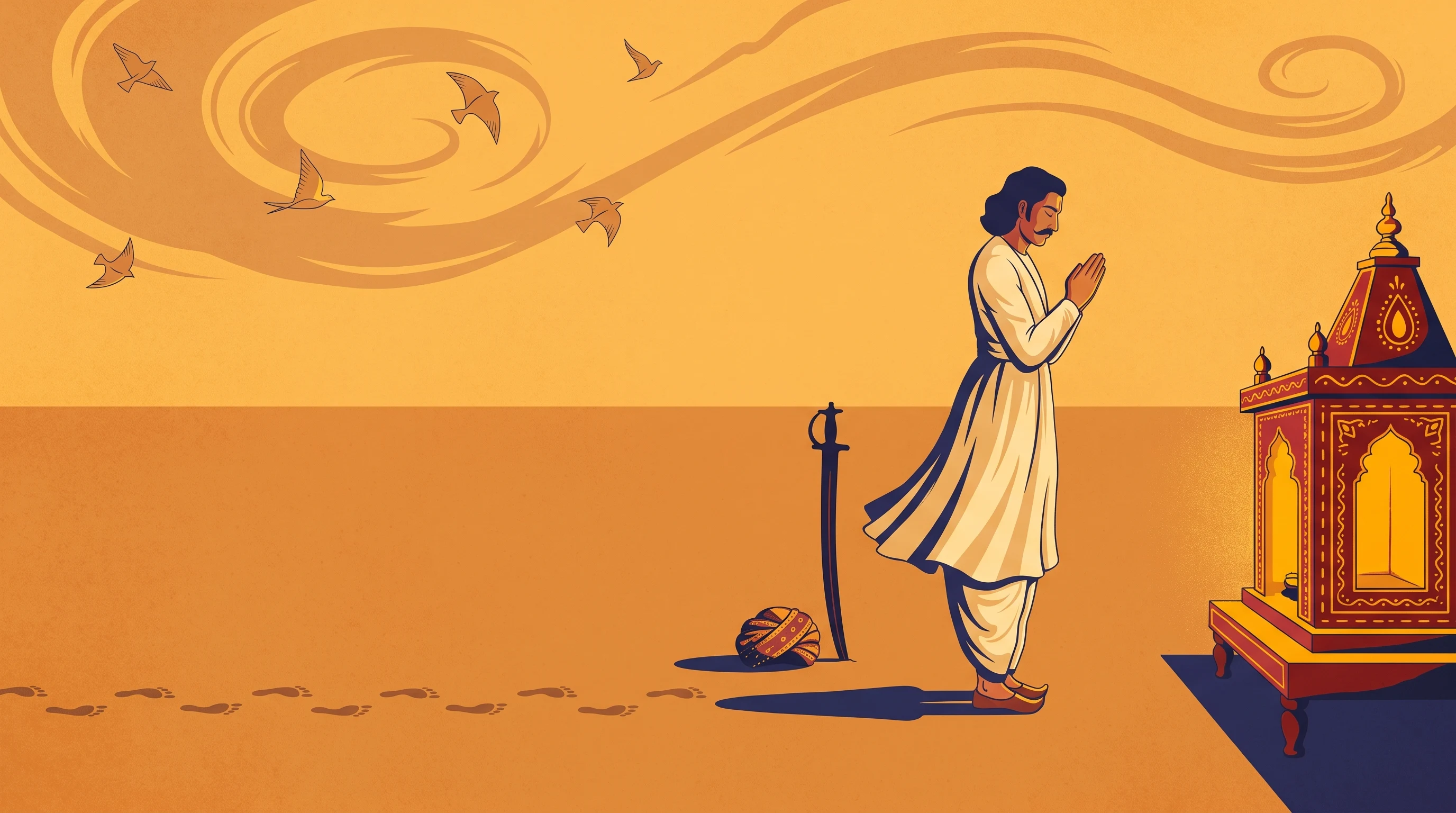
Dayaram is the last great voice of medieval Gujarati bhakti and its most playful — a Pushtimargi devotee of Nathdwara's Krishna who spent his life in Dabhoi turning theology into garbis and padas a whole town could sing. This pada is his wit at full stretch: a lawsuit. Something in the devotee has fallen catastrophically in love with Krishna, and the interior faculties immediately begin assigning blame. પ્રીત પ્રથમ કોણે કરી નંદકુંવરની સાથ? — who loved Nand's boy first? The mind points at the eye; the eye points back: it was by your hand.
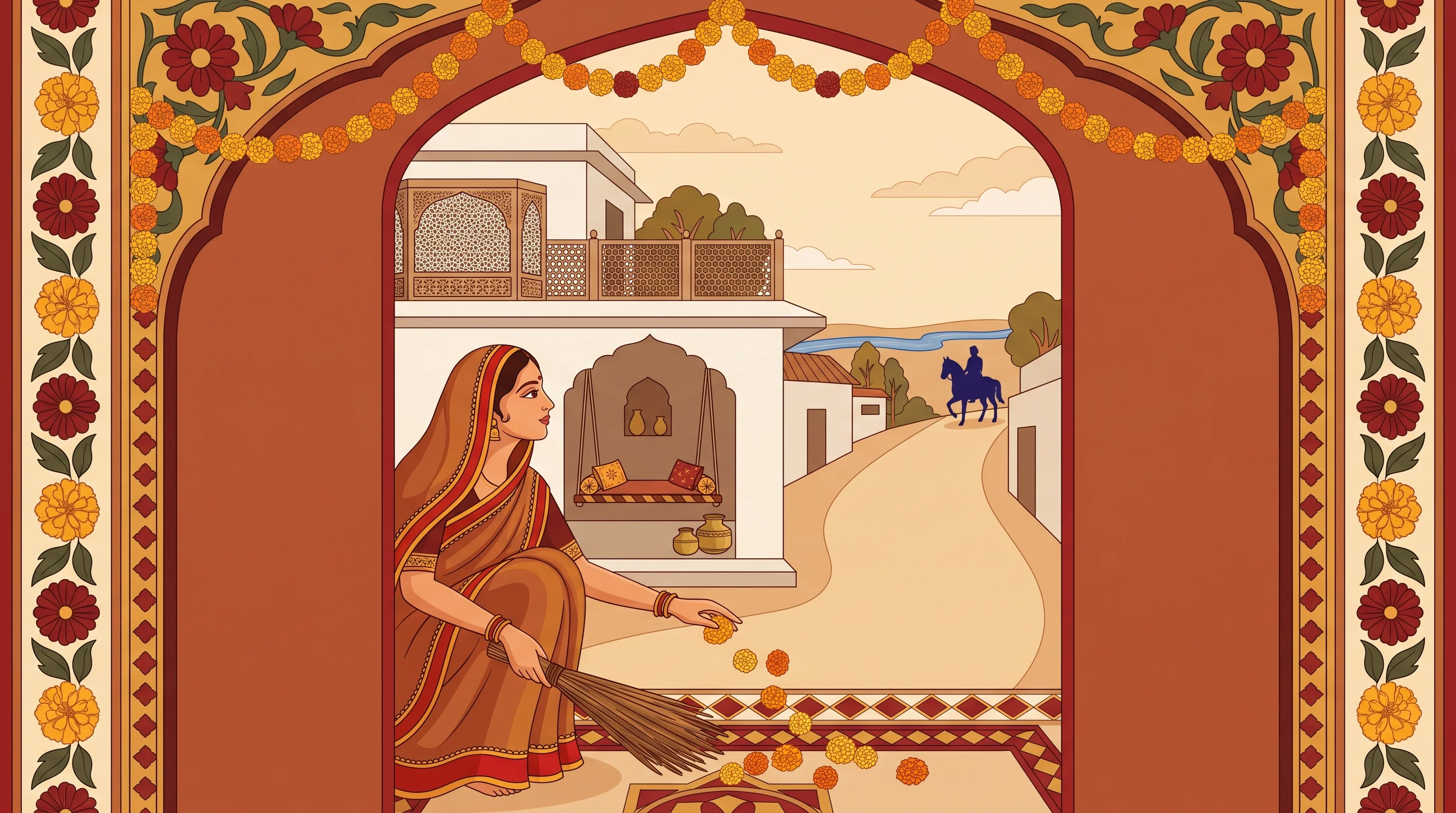
The pleadings that follow are as sharp as anything in a real courtroom. The mind's case is entrapment: you gazed at Natwar, નેન! તેં — the pleasure landed in your account — and then you had me arrested, પછી બંધાવ્યું મુજને, setting the fire of લગન, of fixation. The eye's defense is pure metaphysics, and it is also true: listen, હું પાંગળું — I am lame; I am only your vehicle. You had already heard the scriptures' inaccessible hearsay, નિગમઅગમ કહ્યું સાંભળ્યું — you were gone before the seeing. From there the suit collapses into the real grievance, which is that each envies the other's access: the mind can dwell in the forest beside the Beloved but cannot see him; the eye saw him once and now weeps day and night while the world watches. Even the tears get litigated — the mind claims the smoke of its own smouldering heart is what stings the eye into crying. Every couplet trails off into the refrain, ઝઘડો૦, the quarrel, the quarrel, like the case being called again and again.
So they take it to બુદ્ધિ — Intellect — and her verdict is the poem's whole theology delivered in two lines: મન! લોચનનો પ્રાણ તું, લોચન! તું મનકાય — mind, you are the eye's life-breath; eye, you are the mind's body. There is no first lover because there are not two of you: joy will be joint, suffering will be joint, સુખથી સુખ, દુઃખ દુઃખથી, and the love for Shri Krishna — sealed with the poet's chhap, દયાપ્રીતમ, Daya's own Beloved — flows through both together. It is the same dispute Dayaram adjudicates from the other side in શ્યામ રંગ સમીપે ન જાવું, where the senses swear off the color black and fail, deliciously, within stanzas. Together the two padas map his singular territory: the comedy of a self at war with itself over a God it has already, completely, lost itself to.
દયારામ
Dayaram was among the last great classical voices of Gujarati bhakti poetry and the master of the Gujarati garbi. Working in the Vaishnav devotional tradition, he gave Krishna-bhakti a distinctly intimate, playful, and musical Gujarati idiom. His poems often speak through the voice of the gopi: teasing, wounded, resistant, and helplessly drawn toward Shyam. The emotional range of his garbis made them living songs, carried by performance as much as by manuscripts.
All poems by Dayaram →