પસંદ કરેલી કૃતિ · selected work
કસુંબીનો રંગ
Kasumbino Rang
The Color of Kasumbi
Zaverchand Meghani, Rashtriya Shayar · c. 1931
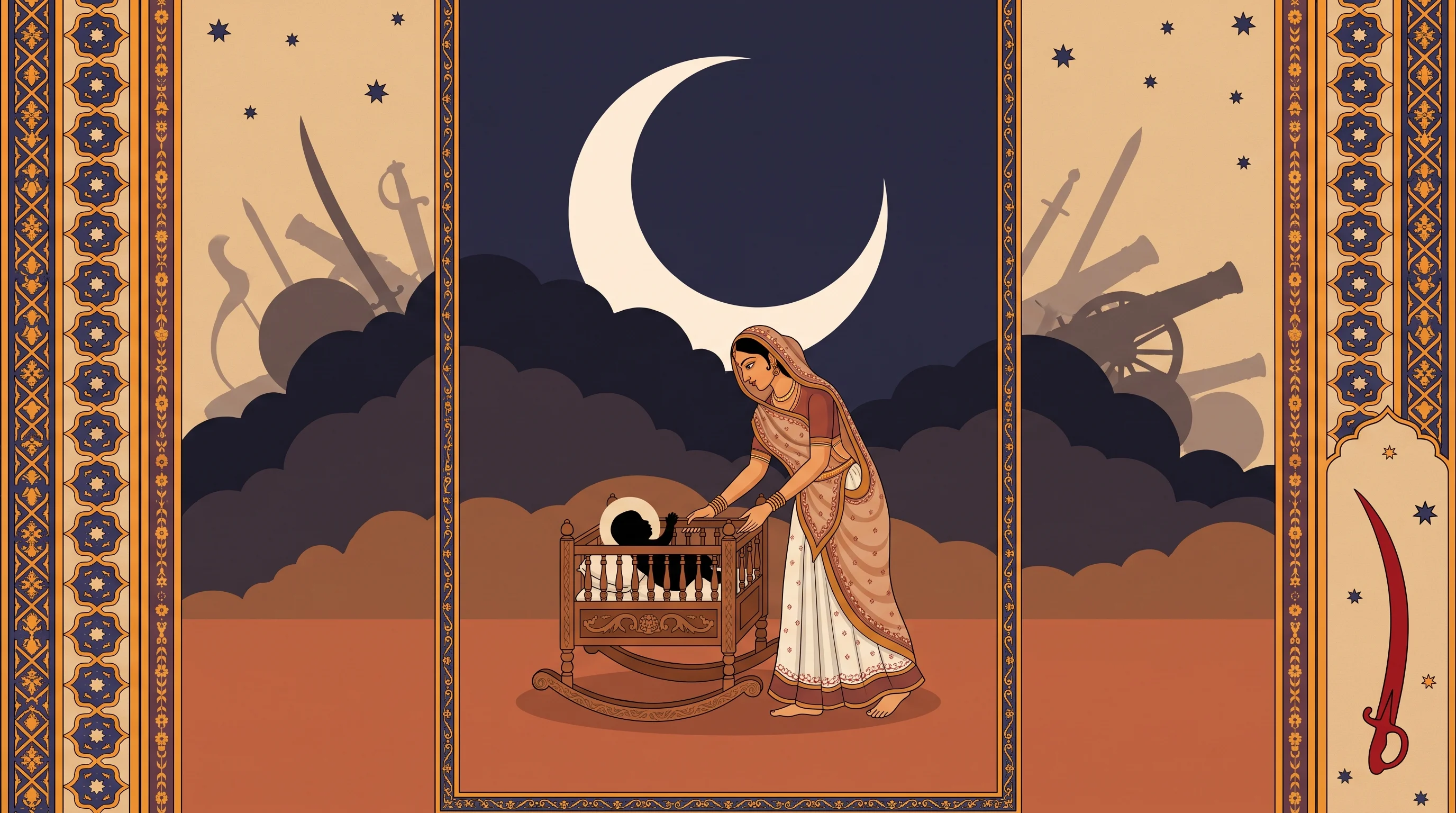
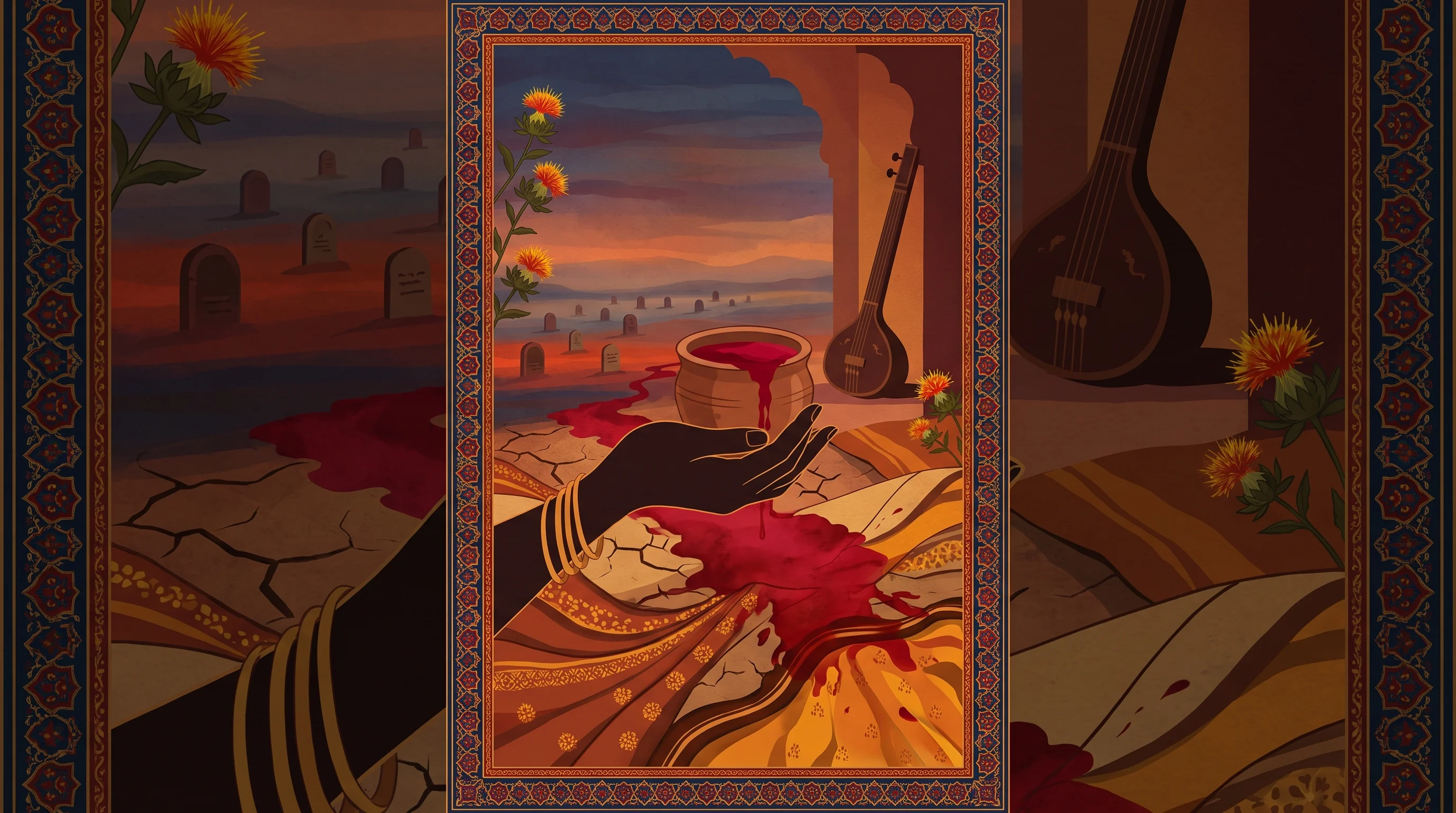
A cup of safflower dye becomes a metaphor for a self stained forever in the color of the nation. Meghani's most beloved patriotic song locates that indelible red everywhere — in a mother's milk, a martyr's last breath, the cheeks of the hungry poor — and calls the steadfast to drink.
લાગ્યો કસુંબીનો રંગ –
રાજ, મને લાગ્યો કસુંબીનો રંગ !
જનનીના હૈયામાં પોઢંતાં પોઢંતાં પીધો કસુંબીનો રંગ;
ધોળાં ધાવણ કેરી ધારાએ ધારાએ પામ્યો કસુંબીનો રંગ. – રાજ..
બહેનીને કંઠે નીતરતાં હાલરડાંમાં ઘોળ્યો કસુંબીનો રંગ;
ભીષણ રાત્રિ કેરા પહાડોની ત્રાડોએ ચોળ્યો કસુંબીનો રંગ. – રાજ..
દુનિયાના વીરોનાં લીલાં બલિદાનોમાં ભભક્યો કસુંબીનો રંગ;
સાગરને પાળે સ્વાધીનતાની કબરોમાં મહેક્યો કસુંબીનો રંગ. – રાજ..
ભક્તોના તંબૂરથી ટપકેલો મસ્તીભર ચાખ્યો કસુંબીનો રંગ;
વહાલી દિલદારાના પગની મેંદી પરથી ચૂમ્યો કસુંબીનો રંગ. – રાજ..
નવલી દુનિયા કેરાં સ્વપ્નોમાં કવિઓએ ગાયો કસુંબીનો રંગ;
મુક્તિને ક્યારે નિજ રક્તો રેડણહારે પાયો કસુંબીનો રંગ. – રાજ..
પીડિતની આંસુડાધારે – હાહાકારે રેલ્યો કસુંબીનો રંગ;
શહીદોના ધગધગતા નિઃશ્વાસે નિઃશ્વાસે સળગ્યો કસુંબીનો રંગ. – રાજ..
ધરતીનાં ભૂખ્યાં કંગાલોને ગાલે છલકાયો કસુંબીનો રંગ;
બિસ્મિલ બેટાઓની માતાને ભાલે મલકાયો કસુંબીનો રંગ. – રાજ..
ઘોળી ઘોળી પ્યાલા ભરિયા : રંગીલા હો ! પીજો કસુંબીનો રંગ;
દોરંગાં દેખીને ડરિયાં : ટેકીલા તમે ! હોંશિલા તમે ! રંગીલા તમે ! લેજો કસુંબીનો રંગ !
રાજ, મને લાગ્યો કસુંબીનો રંગ –
લાગ્યો કસુંબીનો રંગ !
Written around 1931 at the height of the freedom struggle, Kasumbino Rang is one of Zaverchand Meghani's most beloved patriotic songs, and several Gujarati accounts tie its emotional charge to the wave of grief and defiance that followed the hanging of Bhagat Singh, Sukhdev, and Rajguru that March. The title turns on a piece of folk chemistry: kasumbi, the deep orange-red dye of the safflower, was held to be indelible — once cloth had taken the kasumbi hue, no other color could ever overcome it. Meghani makes that permanence his whole subject. When the speaker sings રાજ, મને લાગ્યો કસુંબીનો રંગ ("My lord, the color of kasumbi has taken hold of me"), he means that love of country and the spirit of sacrifice have stained him so completely that he can never be colored otherwise.
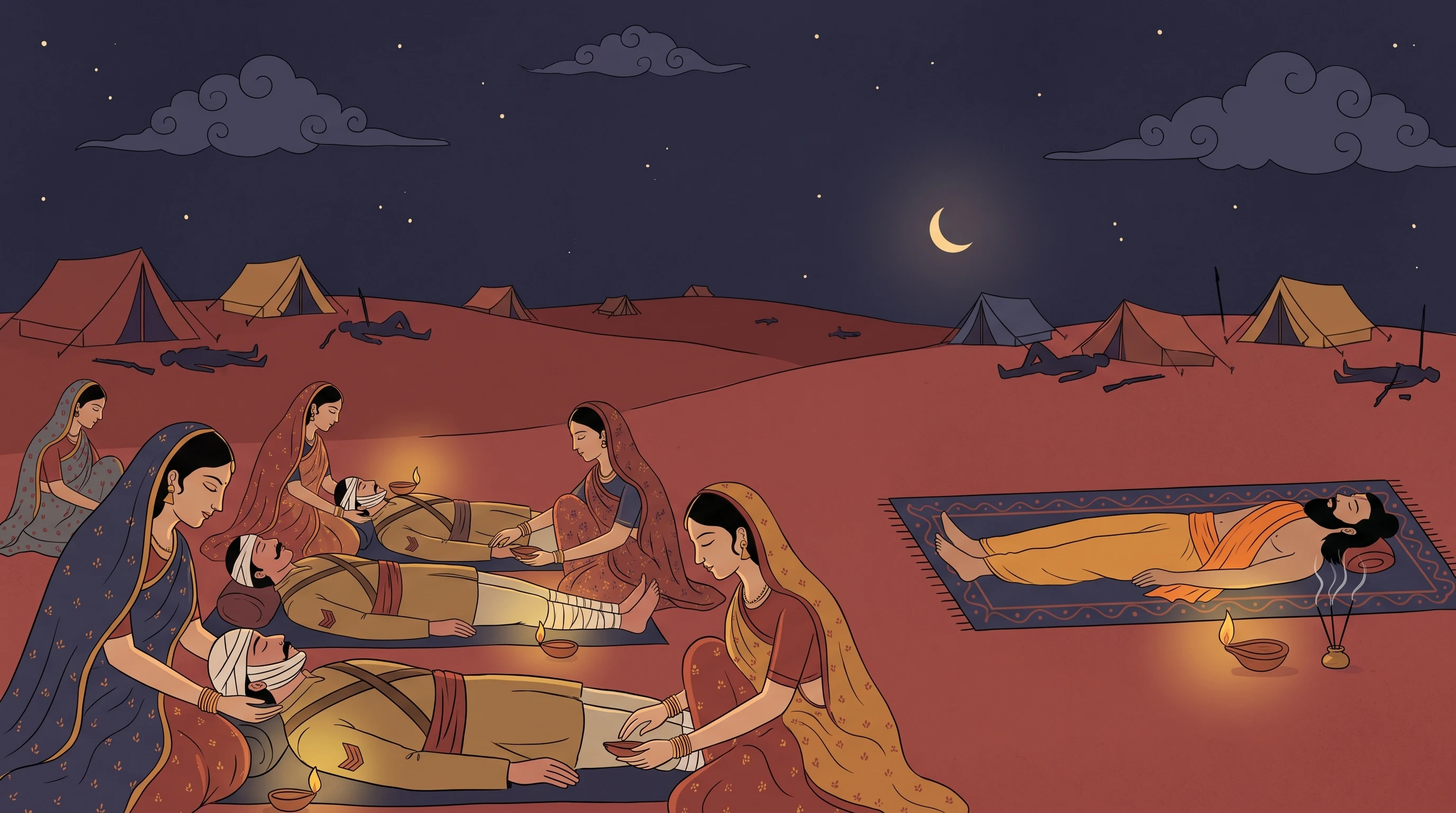
The poem is built as a litany, and its power lies in that accumulation. Each couplet locates the kasumbi color in a fresh site of life and struggle — the mother's heart and ધોળાં ધાવણ (her white streams of milk), a sister's lullaby, the roar of mountains in the fearsome night, the લીલાં બલિદાનો (green, fresh sacrifices) of the world's heroes, the graves of freedom on the sea's shore, a devotee's તંબૂર, the mehndi on a beloved's feet, poets' dreams of a new world, the tears of the oppressed, the ધગધગતા નિઃશ્વાસ (burning last breaths) of martyrs, the cheeks of the hungry poor, and finally the brow of a martyr-son's mother. Meghani reaches for a different verb each time, and every one of them is a verb of color or liquid — the red is drunk (પીધો), tasted (ચાખ્યો), kissed (ચૂમ્યો), made to blaze (ભભક્યો), to burn (સળગ્યો), to spill over (છલકાયો). The color becomes something you can swallow and bleed. In the closing couplet the song sharpens into a challenge: the દોરંગાં (the "two-colored," the fickle turncoats) are told to keep away in fear, while the ટેકીલા, હોંશિલા, રંગીલા — the steadfast, the spirited, the true-hued — are called to drink this cup of color.
Set in Raag Bhairavi, Kasumbino Rang passed straight from the page into performance, and it has been a fixture of the Gujarati stage, radio, and folk repertoire ever since — traditionally sung to close a concert, and still standard on Gujarat Day programs, in renditions by singers such as Hemu Gadhvi, Praful Dave, and Chetan Gadhvi. The phrase kasumbino rang has entered ordinary Gujarati as shorthand for total, permanent devotion, and the song became so emblematic of Meghani's voice that its title was later chosen to name a major posthumous selection of his poetry. It is folk diction pressed into the service of a nation's grief — a drinking song for people who have decided they can never be un-dyed.
ઝવેરચંદ મેઘાણી
Zaverchand Meghani — honoured by Mahatma Gandhi himself with the title *Rashtriya Shayar* (National Poet) — was the great collector and amplifier of Gujarat's voice. Born in Chotila, Saurashtra, he spent his life gathering folk songs, ballads, and oral histories from villages across the region, preserving them in landmark compilations like *Saurashtra ni Rasdhar*. But he was far more than an archivist: his original poetry pulsed with the rhythms he had absorbed from folk tradition, producing lyrics that could make a concert hall feel like a monsoon field. A fearless journalist and freedom fighter, he was imprisoned by the British for his inflammatory verses. He died on the eve of independence in 1947, just hours before Gandhi — the two losses inseparable in Gujarat's memory.
All poems by Zaverchand Meghani →