પસંદ કરેલી કૃતિ · selected work
શિવાજીનું હાલરડું
Shivaji Nu Halardu
Shivaji's Lullaby
Zaverchand Meghani, Rashtriya Shayar · c. 1930
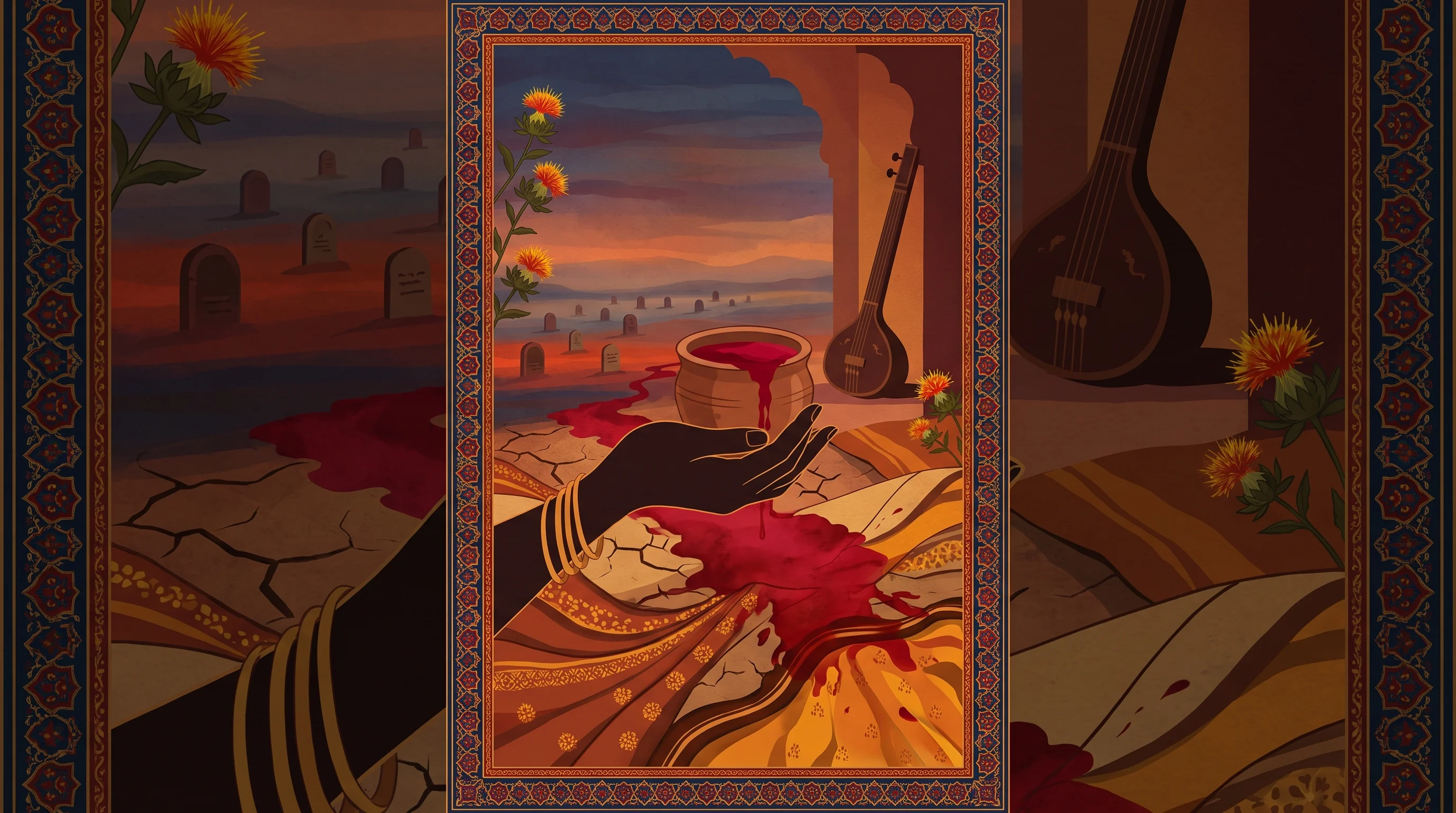
A cradle song that refuses to lull — mother Jijabai rocks the infant Shivaji while foretelling the wars he must one day fight. Written by Meghani in the ferment of the freedom struggle, it is the lullaby composed not to put a child to sleep but to wake a nation.
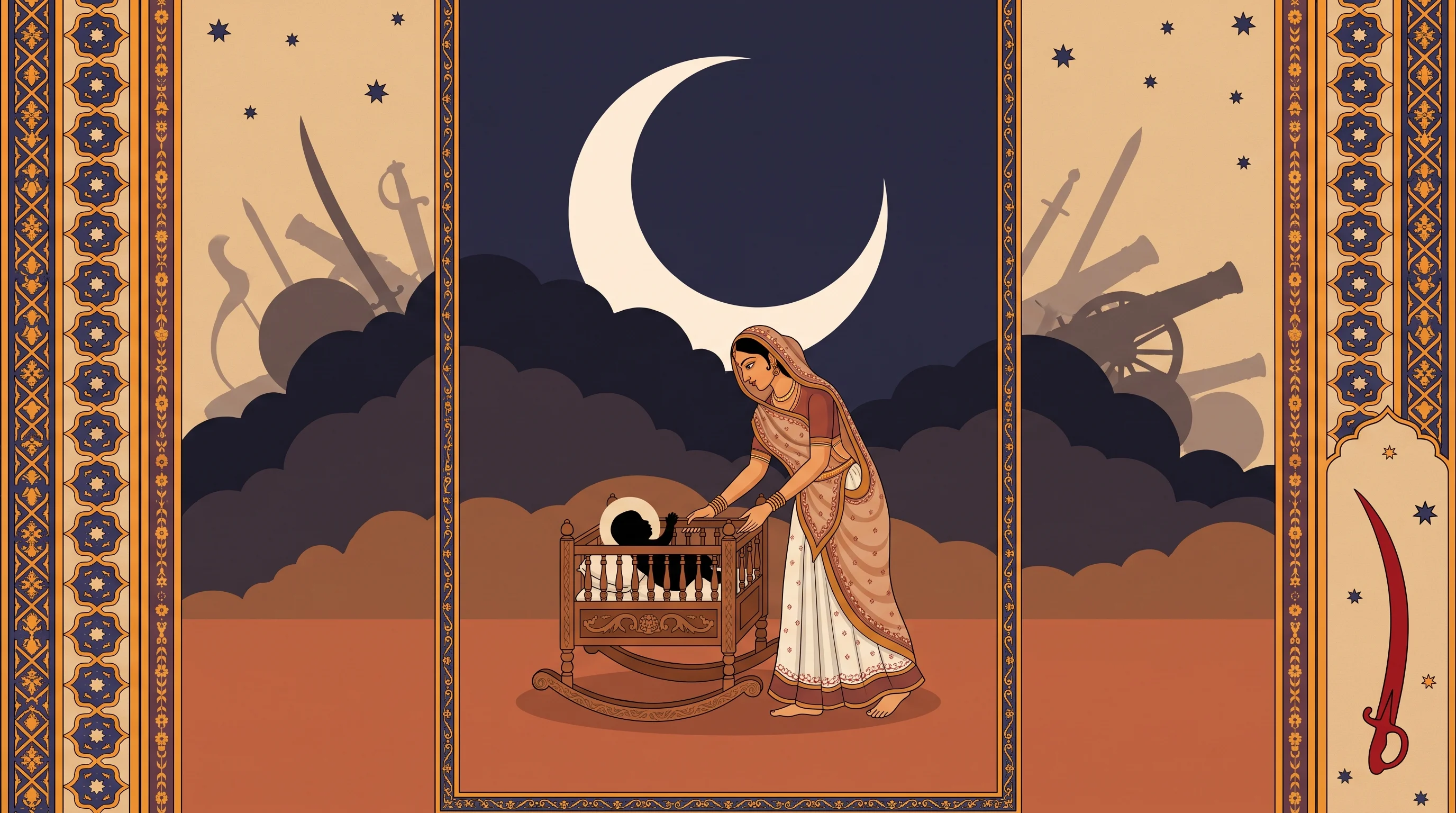
આભમાં ઊગેલ ચાંદલો, ને જીજાબાઇને આવ્યાં બાળ રે
બાળુડાને માત હીંચોળે
ધણણણ ડુંગરા બોલે.
શિવાજીને નીંદરું ના'વે
માતા જીજાબાઇ ઝુલાવે.
પેટમાં પોઢીને સાંભળેલી બાળે રામ – લખમણની વાત
માતાજીને મુખ જે દીથી,
ઊડી એની ઊંઘ તે દીથી….
શિવાજીને નીંદરું ના'વે
માતા જીજાબાઇ ઝુલાવે.
પોઢજો રે, મારાં બાળ ! પોઢી લેજો પેટ ભરીને આજ –
કાલે કાળાં જુદ્ધ ખેલાશે :
સૂવાટાણું ક્યાંય ન રહેશે….
શિવાજીને નીંદરું ના'વે
માતા જીજાબાઇ ઝુલાવે.
ધાવજો રે, મારાં પેટ ! ધાવી લેજો ખૂબ ધ્રપીને આજ –
રહેશે નહીં, રણઘેલુડા !
ખાવા મૂઠી ધાનની વેળા…..
શિવાજીને નીંદરું ના'વે
માતા જીજાબાઇ ઝુલાવે.
પ્હેરી – ઓઢી લેજો પાતળાં રે ! પીળાં-લાલ-પીરોજી ચીર –
કાયા તારી લોહીમાં ન્હાશે :
ઢાંકણ તે દી ઢાલનું થાશે….
શિવાજીને નીંદરું ના'વે
માતા જીજાબાઇ ઝુલાવે.
ઘૂઘરા, ધાવણી, પોપટ-લાકડી ફેરવી લેજો આજ –
તે દી તારે હાથ રહેવાની
રાતી બંબોળ ભવાની….
શિવાજીને નીંદરું ના'વે
માતા જીજાબાઇ ઝુલાવે.
લાલ કંકુ કેરા ચાંદલા ને ભાલે તાણજો કેસરાઆડ્ય –
તે દી તો સિંદોરિયા થાપા
છાતી માથે ઝીલવા, બાપા !….
શિવાજીને નીંદરું ના'વે
માતા જીજાબાઇ ઝુલાવે.
આજ માતા ચોડે ચૂમીયું રે બાળા ! ઝીલજો બેવડ ગાલ –
તે દી તારાં મોઢડાં માથે
ધૂંવાધાર તોપ મંડાશે…….
શિવાજીને નીંદરું ના'વે
માતા જીજાબાઇ ઝુલાવે.
આજ માતાજીની ગોદમાં રે તુંને હૂંફ આવે આઠ પ્હોર –
તે દી કાળી મેઘલી રાતે
વાયુ ટાઢા મોતના વાશે…..
શિવાજીને નીંદરું ના'વે
માતા જીજાબાઇ ઝુલાવે.
આજ માતા દેતી પાથરી રે કૂણાં ફૂલડાં કેરી સેજ –
તે દી તારી વીરપથારી
પાથરશે વીશભુજાળી……
શિવાજીને નીંદરું ના'વે
માતા જીજાબાઇ ઝુલાવે.
આજ માતાજીને ખોળલે રે તારાં માથડાં ઝોલે જાય –
તે દી તારે શિર ઓશીકાં
મેલાશે તીર- બંધૂકા….
શિવાજીને નીંદરું ના'વે
માતા જીજાબાઇ ઝુલાવે.
સૂઈ લેજે, મારા કેસરી રે ! તારી હિંદવાણ્યું જોવે વાટ –
જાગી વ્હેલો આવ, બાલુડા !
માને હાથ ભેટ બંધાવા….
શિવાજીને નીંદરું ના'વે
માતા જીજાબાઇ ઝુલાવે.
જાગી વ્હેલો આવજે, વીરા !
ટીલું માના લોહીનું લેવા !
શિવાજીને નીંદરું ના'વે
માતા જીજાબાઇ ઝુલાવે.
બાળુડાને માત હીંચોળે
ધણણણ ડુંગરા બોલે.
Meghani composed this halardu (lullaby) around 1930, at the height of the freedom struggle, and gathered it into his collection Killol of children's songs; it is also anthologized in his patriotic volume Yugvandana (1935). The setting is domestic and ancient — a moon has risen in the sky, and to Jijabai a child has come, the infant Shivaji likened to that very moon (આભમાં ઊગેલ ચાંદલો, ને જીજાબાઇને આવ્યાં બાળ રે). Yet from the first breath the poem inverts the form it borrows. A lullaby exists to bring sleep, but here the refrain insists શિવાજીને નીંદરું ના'વે — "sleep will not come to Shivaji." It is, in the phrase that has followed it ever since, the one cradle song written not to put a child to sleep but to wake a nation; behind the mother's rocking, the mountains themselves rumble in reply (ધણણણ ડુંગરા બોલે), an onomatopoeia that fuses the sway of the cradle with the reverberation of coming war.
The poem's genius is a sustained double structure: every tender image of infancy is twinned with its violent future echo. The soft silk baby-clothes of yellow, red and turquoise (પીળાં-લાલ-પીરોજી ચીર) foreshadow a body bathed in blood and shielded only by armour (ઢાંકણ તે દી ઢાલનું થાશે). The baby's rattle, feeding-bottle and toy parrot-stick (ઘૂઘરા, ધાવણી, પોપટ-લાકડી) will be exchanged for the blood-red sword of the goddess Bhavani (રાતી બંબોળ ભવાની). The mother's kisses on both cheeks prefigure smoke-belching cannon aimed at his face (ધૂંવાધાર તોપ મંડાશે); the pillow of her lap becomes a pillow of arrows and guns (મેલાશે તીર-બંધૂકા); the bed of tender flowers becomes a hero's death-bed spread by the twenty-armed goddess (પાથરશે વીશભુજાળી). Jijabai does not shield her son from this destiny — she rehearses it over the cradle, and in doing so becomes the archetype of the mother who raises her child for the nation rather than for herself.
Though its hero is a Maratha king, the poem is wholly a Gujarati classic, and it travelled through the twentieth century as song. Its most iconic setting is by the Charan folk-singer Hemu Gadhvi, whose recording carried it into school assemblies, Independence Day stages and Shivaji Jayanti celebrations across Gujarat, and it has since been recorded by many others. The coded resistance is unmistakable — Meghani's Sindhudo (1930) was banned by the British as seditious, and this lullaby breathes the same air. Its closing plea seals the transformation: જાગી વ્હેલો આવજે, વીરા ! ટીલું માના લોહીનું લેવા — "wake and come quickly, brave one, to take the tilak of your mother's blood" — turning the auspicious mark of blessing pressed on a warrior's brow into a consecration written in blood, the private tenderness of a cradle opening straight onto the public dream of freedom.
ઝવેરચંદ મેઘાણી
Zaverchand Meghani — honoured by Mahatma Gandhi himself with the title *Rashtriya Shayar* (National Poet) — was the great collector and amplifier of Gujarat's voice. Born in Chotila, Saurashtra, he spent his life gathering folk songs, ballads, and oral histories from villages across the region, preserving them in landmark compilations like *Saurashtra ni Rasdhar*. But he was far more than an archivist: his original poetry pulsed with the rhythms he had absorbed from folk tradition, producing lyrics that could make a concert hall feel like a monsoon field. A fearless journalist and freedom fighter, he was imprisoned by the British for his inflammatory verses. He died on the eve of independence in 1947, just hours before Gandhi — the two losses inseparable in Gujarat's memory.
All poems by Zaverchand Meghani →