પસંદ કરેલી કૃતિ · selected work
બચપણ
Bachpan
Childhood
Kailas Pandit, Ghazalkar · c. 1975
A grown man wanders his own house and finds it haunted — not by ghosts, but by the childhood he misplaced somewhere inside it. Kailas Pandit's best-known nazm, sung by Manhar Udhas, turns swept floors and empty drawers into an unbearably tender elegy for the boy who once filled every corner.
ઘરની સઘળી વસ્તુ મરી ગઇ
બહુ સુના છે ઘરના ખૂણા
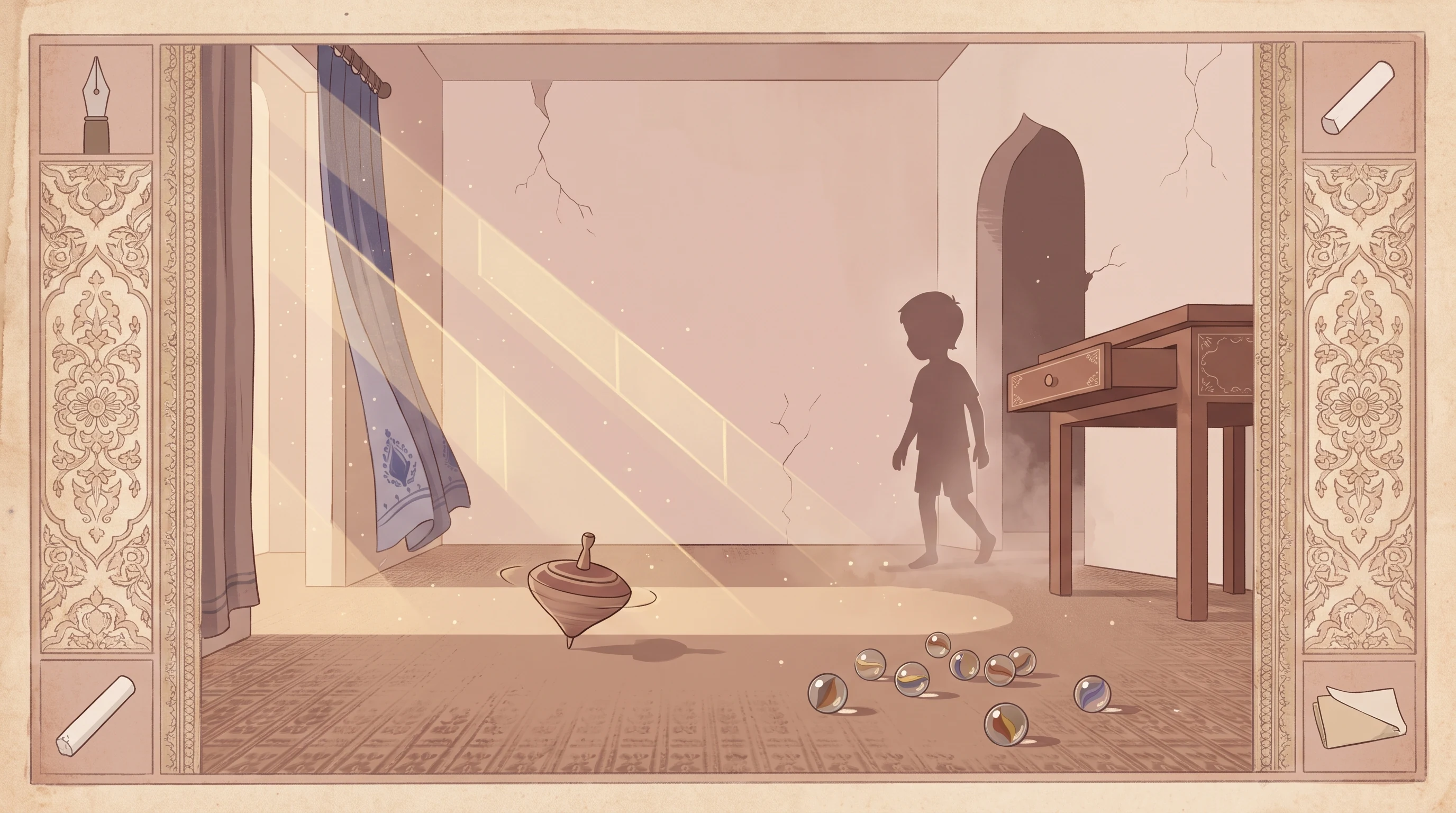
શાંત ઉભા છે દ્વારના પડદા
બંધ પડ્યા છે મેજના ખાના
રોઇ રહ્યા છે સઘળા રમકડા
સ્વચ્છ પડેલી ભીંતો ઘરની, લાગે જાણે વિધવા થઇ ગઇ
બિસ્તર કેરી ચાદર જાણે, બાળ વિહોણી માતા થઇ ગઇ
આખો દિ' ઘર આખા ને બસ માથે લઇ ને ફરતો'તો
વસ્તુ ઘરની ઉલટી-સીધી, અમથો અમથો કરતો'તો
પેન લખોટી ચાકના ટુકડા ખિસ્સામાહેં ભરતો'તો
જુના પત્તા રેલ ટિકિટને મમતાથી સંઘરતો'તો
કોઇ દિ' મેં શોધી નો'તી, તો યે ખુશીઓ મળતી'તી
લાદી ઉપર સૂતો તો ને આંખો મારી ઢળતી'તી
મારી વાતો દુનિયા આખી મમતાથી સાંભળતી'તી
ખળખળ વહેતા ઠંડા જળમાં છબછબિયાં મેં કિધા'તા
મારા કપડા મારા હાથે ભીંજવી મેં તો લીધા'તા
સાગર કેરા ખારા પાણી કંઇક વખત મેં પીધા'તા
કોણે આવા સુંદર દિવસો બચપણ માંહે દિઘા'તા
સૂના થયેલા ખૂણા સામે વિહ્વળ થઇને નીરખું છું
શાંત ઉભેલા પડદાને હું મારા ફરતે વીટું છું
ઘરની સઘળી ભીતોંને હું હળવેથી પંપાળું છું
ખોવાયેલા વર્ષોને હું મારા ઘરમાં શોધું છું
ક્યાં ખોવાયું બચપણ મારું ક્યાંકથી શોધી કાઢો
મીઠા મીઠા સપનાઓની દુનિયા પાછી લાવો
મોટર બંગલા લઇલો મારા, લઇલો વૈભવ પાછો
પેન લખોટી ચાકના ટુકડા મુજને પાછા આપો
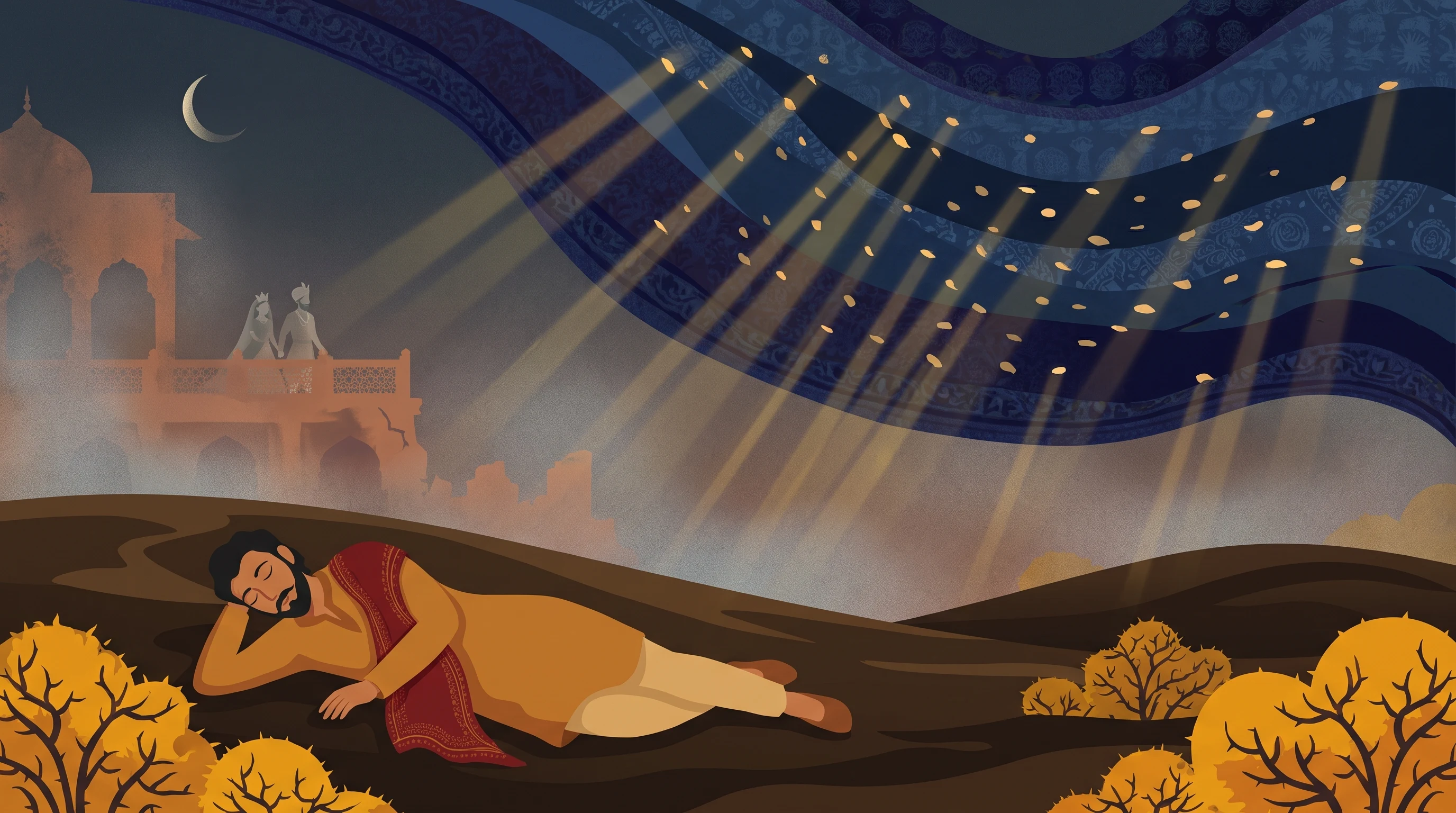
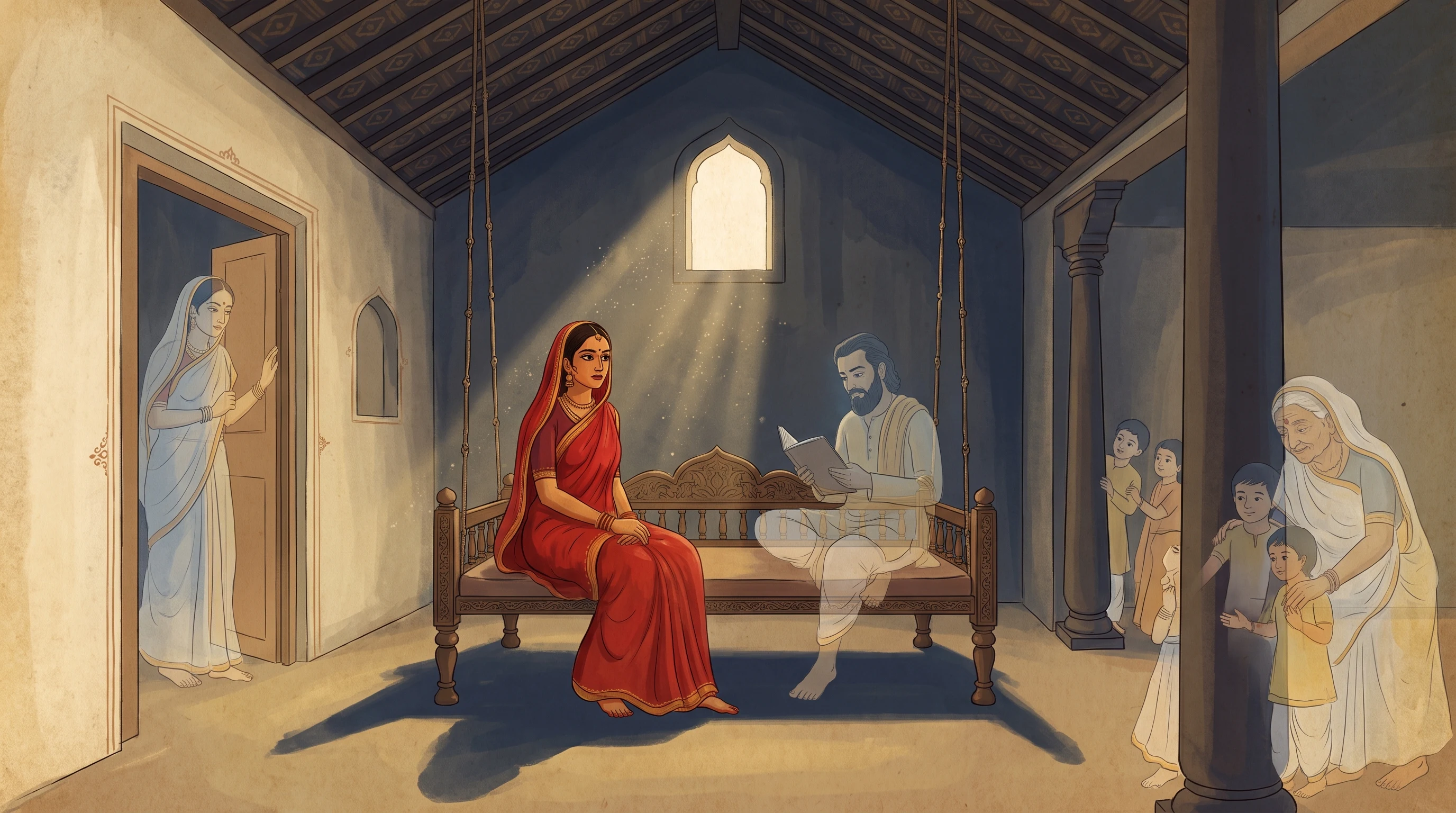
"Bachpan" opens with a startling declaration — everything in the house has died — before the poem reveals that nothing has actually gone anywhere. The furniture stands exactly where it always stood; it is only the boy who once animated it that is missing. Kailas Pandit, writing as a grown man returning to his childhood home, finds the rooms unbearably intact: the curtains still, the table drawers shut, the toys, in the poem's own phrase, 'રોઇ રહ્યા છે' — weeping. It is a poem built entirely from absence rendered as presence, grief disguised as an inventory of furniture.
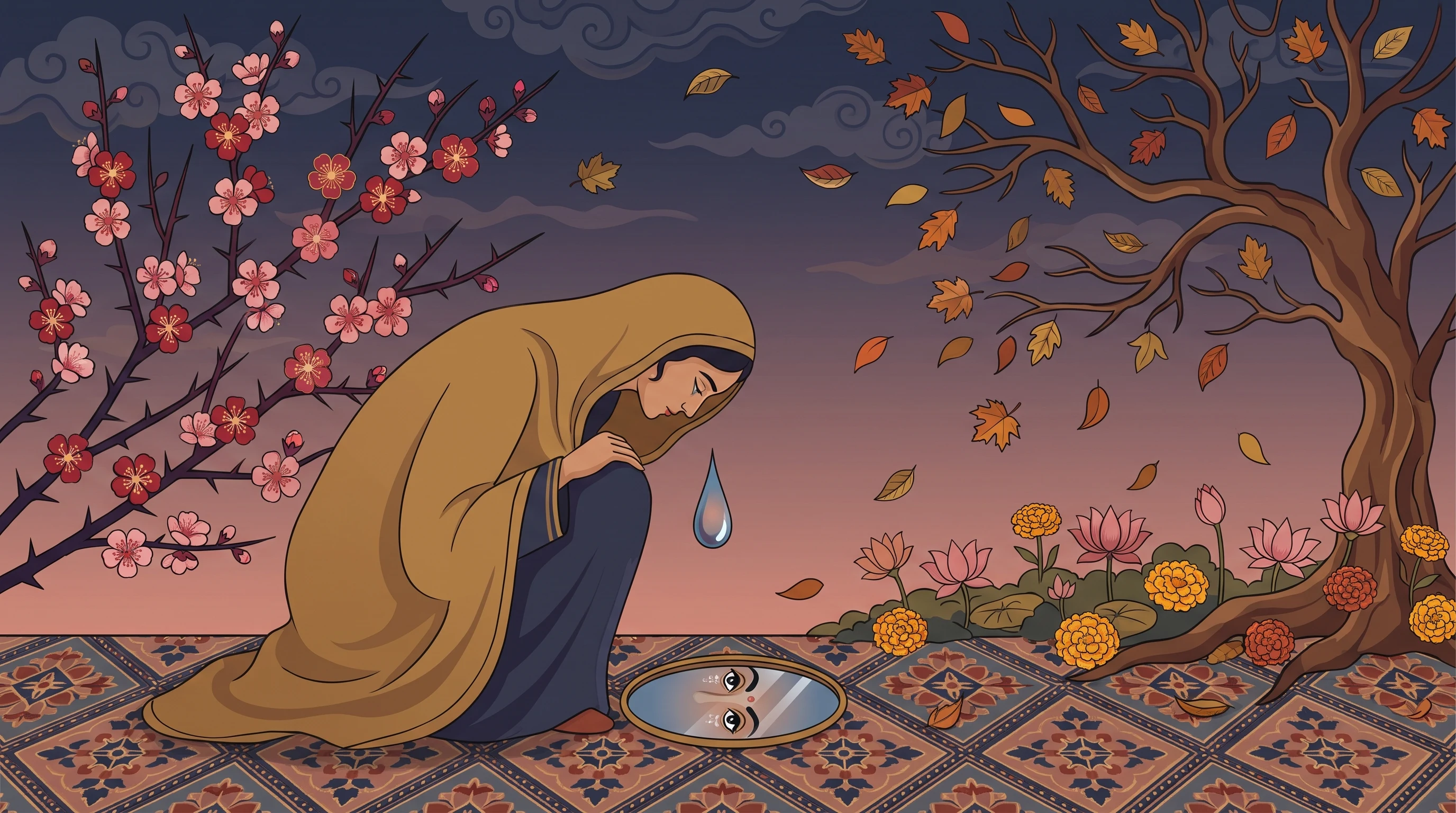
The poem's power sits in two audacious metaphors dropped early and never repeated, which is precisely why they land so hard: the clean-swept walls compared to a widow, 'લાગે જાણે વિધવા થઇ ગઇ', and the bare bedsheet to a mother whose child has been taken from her, 'બાળ વિહોણી માતા થઇ ગઇ'. From there the poem shifts into pure memory — pockets stuffed with pens, marbles, chalk stubs, old railway tickets hoarded for no reason but love of them, afternoons spent splashing in cold water and drinking the sea's salt just to taste it. Pandit's Gujarati here is plain and conversational, almost spoken rather than composed.
The poem's final trade is its most devastating move: take back the cars, the mansions, the વૈભવ (wealth) — give me instead a pen, a marble, a broken piece of chalk. It is a wish the poem already knows is impossible, which is what makes Manhar Udhas's recording of it so enduring; decades after Pandit wrote it in the margins of a working life spent on a factory floor in Mumbai, listeners still hear in it the exact shape of their own emptied-out childhood homes.
કૈલાસ પંડિત
Kailas Pandit was born in Jabalpur, far outside Gujarat, and began writing verse at twelve — but it was Mumbai, where he spent his entire working life as an employee at the Gabriel India factory, that made him a poet. Ghazals written on factory time and finished at night earned him a place among the most sung Gujarati poets of his generation, his lines carried into households far beyond literary circles by playback singers like Manhar Udhas and Pankaj Udhas. His published collections — *Dwida*, *Sangath*, and *Umalkho* — hold the more formal side of his output, but he was equally at home in the lighter *geet*, and his lullaby *"Dikro Maro"* became one of Gujarat's best-loved cradle songs. He died in Pune in 1994 at just fifty-two, before much of his wider recognition had fully arrived, leaving behind a body of work prized for finding aching depth inside deceptively simple, almost conversational Gujarati.
All poems by Kailas Pandit →