પસંદ કરેલી કૃતિ · selected work
કોઈનો લાડકવાયો
Koino Ladakvayo
Somebody's Beloved
Zaverchand Meghani, Rashtriya Shayar · 1930
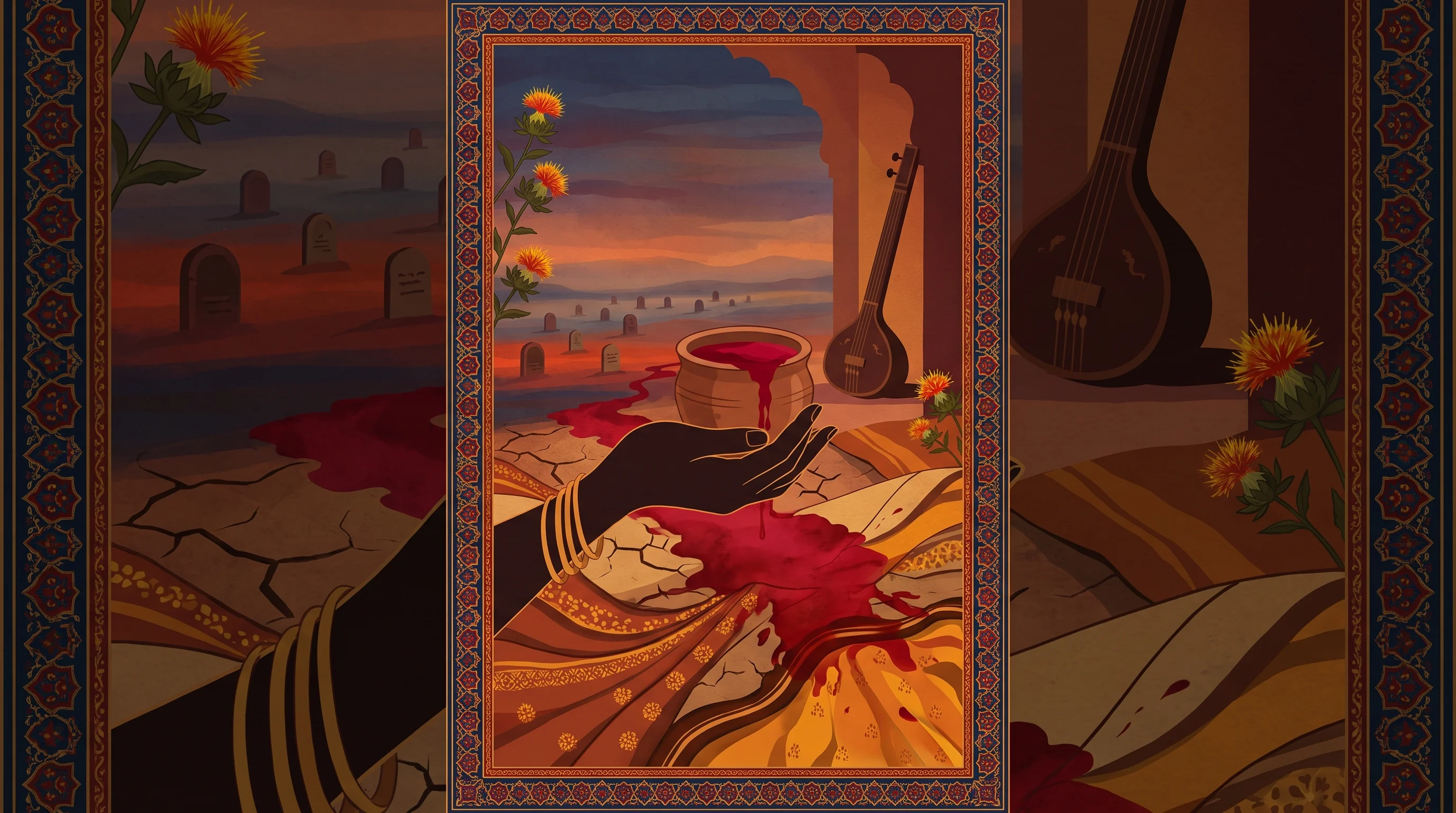
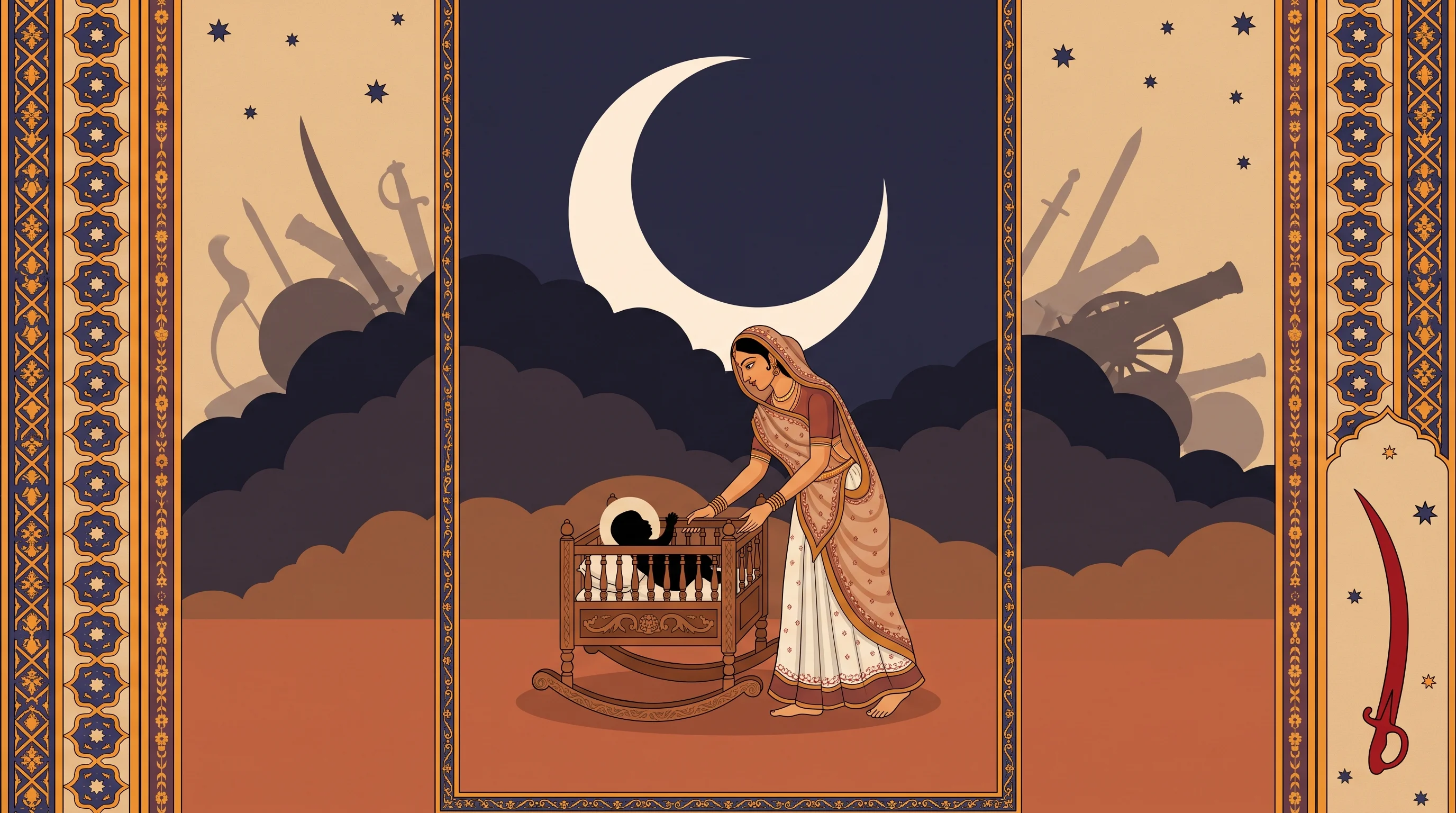
Meghani turns the battlefield away from glory and toward tenderness. The unknown martyr is not anonymous to the poem: he is somebody's son, somebody's beloved, somebody's grief.
રક્ત ટપકતી સો સો ઝોળી સમરાંગણથી આવે,
કેસરવરણી સમરસેવિકા કોમલ સેજ બિછાવે:
ઘાયલ મરતાં મરતાં રે
માતની આઝાદી ગાવે.
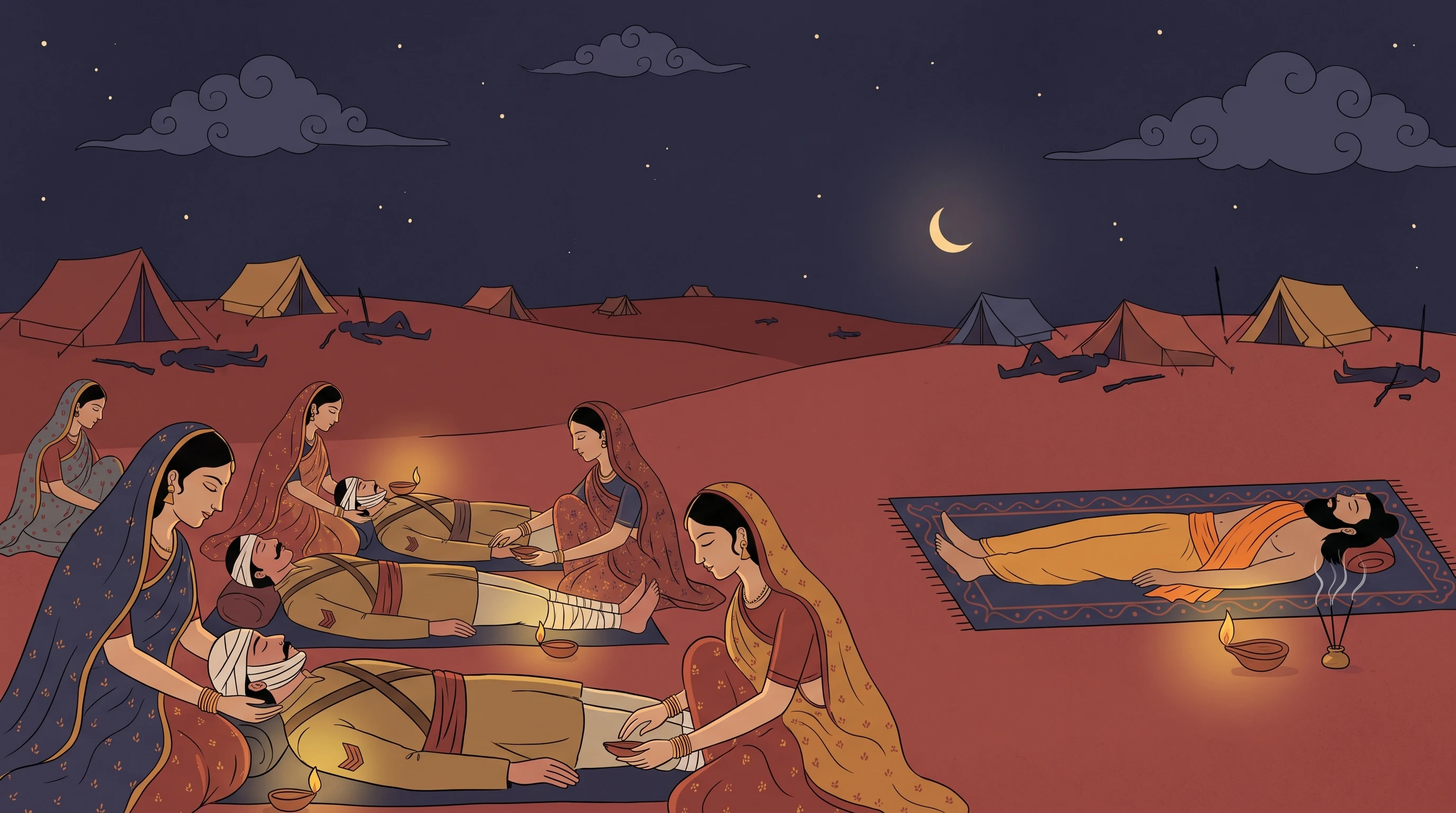
કો'ની વનિતા, કો'ની માતા, ભગિની ટોળે વળતી,
શોણિતભીના પતિ-સુત-વીરની રણશય્યા પર લળતી;
મુખથી ખમ્મા ખમ્મા કરતી
માથે કર મીઠો ધરતી.
થોકે થોકે લોક ઊમટતા રણજોદ્ધા જોવાને,
શાહબાશીના શબદ બોલતા પ્રત્યેકની પિછાને;
નિજ ગૌરવ કેરે ગાને
જખ્મી જન જાગે અભિમાને.
સહુ સૈનિકનાં વહાલાં જનનો મળિયો જ્યાં સુખમેળો,
છેવાડો ને એક્લવાયો અબોલ એક સૂતેલો;
અણપૂછ્યો અણપ્રીછેલો
કોઇનો અજાણ લાડીલો.
એનું શિર ખોળામાં લેવા કોઇ જનેતા ના’વી;
એને સીંચણ તેલ-કચોળાં નવ કોઇ બહેની લાવી;
કોઇના લાડકવાયાની
ન કોઇએ ખબરે પુછાવી.
ભાલે એને બચીઓ ભરતી લટો સુંવાળી સૂતી,
સન્મુખ ઝીલ્યા ઘાવો મહીંથી ટપટપ છાતી ચૂતી:
કોઇનો લાડકવાયાની
આંખડી અમૃત નીતરતી.
કોઇના એ લાડકવાયાનાં લોચન લોલ બિડાયાં,
આખરની સ્મૃતિનાં બે આંસુ કપોલ પર ઠેરાયાં:
આતમ-દીપક ઓલાયા,
ઓષ્ટનાં ગુલાબ કરમાયાં.
કોઇનાં એ લાડકડા પાસે હળવે પગ સંચરજો,
હળવે એનાં હૈયા ઉપર કર-જોડામણ કરજો:
પાસે ધૂપસળી ધરજો,
કાનમાં પ્રભુપદ ઉચ્ચરજો!
વિખરેલી એ લાડકડાની સમારજો લટ ધીરે,
એને ઓષ્ઠ-કપોલે-ભાલે ધરજો ચુંબન ધીરે:
સહુ માતા ને ભગિની રે!
ગોદ લેજો ધીરે ધીરે
વાંકડિયાં એ જુલ્ફાંની મગરૂબ હશે કો માતા,
એ ગાલોની સુધા પીનારા હોઠ હશે બે રાતા;
રે! તમ ચુંબન ચોડાતાં
પામશે લાડકડો શાતા.
લાડકડાની પ્રતિમાનાં છાનાં પૂજન કરતી,
એની રક્ષા કાજ અહર્નિશ પ્રભુને પાયે પડતી,
ઉરની એકાન્તે રડતી
વિજોગણ હશે દિનો ગણતી.
કંકાવટીએ આંસુ ઘોળી છેલ્લું તિલક કરતા,
એને કંઠ વીંટાયા હોશે કર બે કંકણવંતાઃ
વસમાં વળામણાં દેતા,
બાથ ભીડી બે પળ લેતા.
એની કૂચકદમ જોતી અભિમાનભરી મલકાતી,
જોતી એની રુધિર-છલકતી ગજ ગજ પહોળી છાતી,
અધબીડવાં બારણિયાંથી
રડી કો હશે આંખ રાતી.
એવી કોઈ પ્રિયાનો પ્રીતમ આજ ચિતા પર પોઢે,
એકલડો ને અણબૂઝેલો અગન-પિછોડી ઓઢેઃ
કોઈના લાડકવાયાને
ચૂમે પાવકજ્વાલા મોઢે.
એની ભસ્માંકિત ભૂમિ પર ચણજો આરસ-ખાંભી,
એ પથ્થ૨ ૫૨ કોતરશો નવ કોઈ કવિતા લાંબી;
લખજો: ખાક પડી આંહીં
કોઈના લાડકવાયાની’
Meghani recorded the poem's origin plainly in his own note. In 1930, in Sabarmati Jail, Devdas Gandhi read aloud “Somebody's Darling,” Marie La Coste's elegy for the unclaimed dead of the American Civil War. The Gujarati poem grew out of the inner churning that followed, reshaped for the needs of Meghani's own time. That origin shows what the poem is and is not: not a literal translation, but an act of patriotic transcreation.
The poem begins where patriotic verse often begins -- wounded soldiers, service, sacrifice, the motherland's freedom. But then it turns away from public glory toward one body at the edge of the scene: છેવાડો ને એક્લવાયો અબોલ એક સૂતેલો. Everyone else's beloved has arrived; this one remains unclaimed. The phrase કોઇનો અજાણ લાડીલો is devastating because it refuses anonymity. The dead soldier is unknown to the crowd, but not unknowable.
Meghani's tenderness is ritualistic. Walk softly, fold hands over his heart, set incense near him, whisper God's name in his ear, smooth his hair, kiss his forehead. The poem gives the unnamed martyr the family he lacks at the battlefield. Its final instruction -- do not carve a long poem, write only that someone's beloved lies here -- is also a poetics. The truest memorial is not grandeur, but the restoration of human relation.
ઝવેરચંદ મેઘાણી
Zaverchand Meghani — honoured by Mahatma Gandhi himself with the title *Rashtriya Shayar* (National Poet) — was the great collector and amplifier of Gujarat's voice. Born in Chotila, Saurashtra, he spent his life gathering folk songs, ballads, and oral histories from villages across the region, preserving them in landmark compilations like *Saurashtra ni Rasdhar*. But he was far more than an archivist: his original poetry pulsed with the rhythms he had absorbed from folk tradition, producing lyrics that could make a concert hall feel like a monsoon field. A fearless journalist and freedom fighter, he was imprisoned by the British for his inflammatory verses. He died on the eve of independence in 1947, just hours before Gandhi — the two losses inseparable in Gujarat's memory.
All poems by Zaverchand Meghani →